top of page
CRISIS: CALL OR TEXT 988
.png)
The Reality of Eating
Disorders and Orthorexia in Athletes

The Reality of Eating
Disorders and Orthorexia in Athletes
The Reality of Eating
Disorders and Orthorexia in Athletes
Eating Disorders in Athletes: The Hidden Struggle Behind Performance
At the peak of their careers, many athletes quietly battle eating disorders not just about food, but control, identity, and pressure. What looks like discipline often masks fear: fear of losing control, disappointing others, or not being “enough.”
How Common Is It?
Up to 45% of female athletes and 19% of male athletes experience disordered eating (Bratland-Sanda & Sundgot-Borgen, 2013). A 2024 meta-analysis found the highest risk in aesthetic and weight-sensitive sports (e.g., gymnastics, running, wrestling). Among NCAA Division I athletes, 38% were at risk for eating disorders and even more for low energy availability.
Why Athletes Are Vulnerable
Performance over health: Ignoring hunger or fatigue is often seen as discipline.
Body ideals: Leanness or muscularity may influence selection and success.
Control: Restrictive habits can feel empowering until they take over.
Not Just a “Girl Thing”
Men are also affected 17% of male endurance athletes show risk (Cycling Weekly) but stigma keeps many silent. Their struggles often manifest as excessive training or rigid “fueling” routines.
The Invisible Toll
Warning signs can include:
Chronic fatigue, poor recovery, or recurring injuries
Amenorrhea (missed periods) in women
Mood changes and obsessive food focus You don’t have to “look” sick to be struggling.
When “Healthy” Turns Harmful: Orthorexia
Orthorexia an obsession with “clean” eating can start as dedication but lead to:
Isolation (avoiding team meals)
Deficiencies (cutting vital nutrients)
Rigidity mistaken for commitment Balance, not perfection, fuels peak performance.
The Path to Healing
Recovery means redefining success:
Screen early (tools like EDSA, LEAF-Q)
Seek holistic care (therapy, dietitians, medical support)
Reframe success: Strength and sustainability over restriction. You are more than your performance.
Reflection Prompts
Do I feel freedom or fear around food?
What does success look like beyond performance?
Have I ignored my body’s signals?
What would self-compassion look like in sport?
Support Resources
NEDA: nationaleatingdisorders.org | Helpline: 1-800-931-2237
The Alliance: allianceforeatingdisorders.com


Injury, Recovery & Resilience
Balance & Burnout
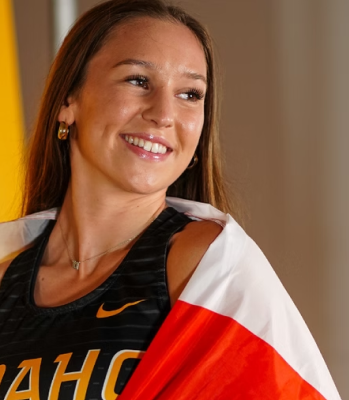
Annika Jozin: Trying to Fix
My Body Only Pulled Me
Further
Balance & Burnout
Injury, Recovery & Resilience
Annika Jozin: Trying to Fix
My Body Only Pulled Me
Further
Balance & Burnout

Injury, Recovery & Resilience

Annika Jozin: Trying to Fix
My Body Only Pulled Me
Further

Injury, Recovery & Resilience
Balance & Burnout
Annika Jozin: Trying to Fix
My Body Only Pulled Me
Further
Injury, Recovery & Resilience
Balance & Burnout
Annika Jozin: Trying to Fix
My Body Only Pulled Me
Further
Balance & Burnout
Injury, Recovery & Resilience
Annika Jozin: Trying to Fix
My Body Only Pulled Me
Further
Balance & Burnout
Injury, Recovery & Resilience
Annika Jozin: Trying to Fix
My Body Only Pulled Me
Further
Injury, Recovery & Resilience
Balance & Burnout
Annika Jozin: Trying to Fix
My Body Only Pulled Me
Further
Injury, Recovery & Resilience
Balance & Burnout
Annika Jozin: Trying to Fix
My Body Only Pulled Me
Further
bottom of page